
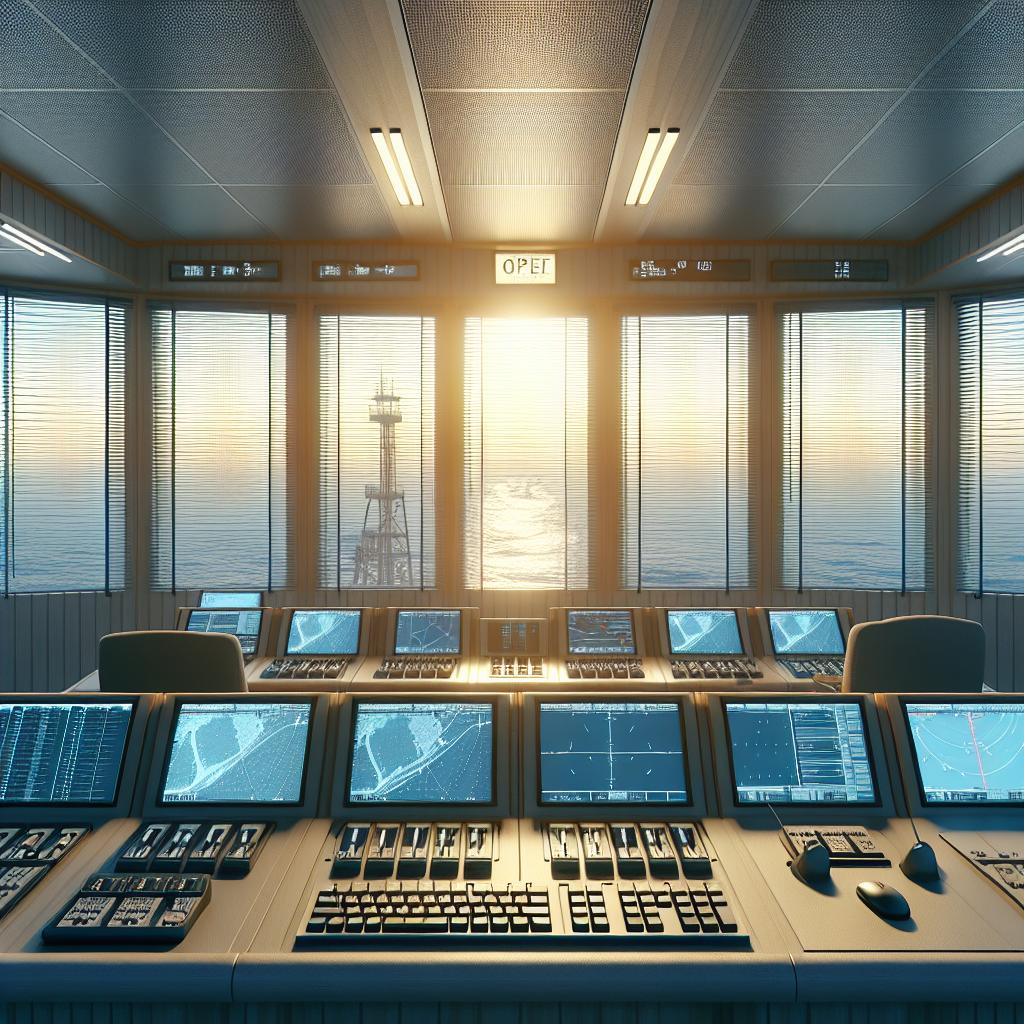
Introduction to Vessel Traffic Control Sun Blinds
In the world of maritime operations, maintaining a clear line of sight during all weather conditions is crucial for safety and efficiency. This is where vessel traffic control sun blinds come into play. These specialized blinds are designed to mitigate the glare from the sun and improve visibility, making them an essential component in navigational safety for vessels.
Understanding the Importance of Sun Blinds in Vessel Traffic Control
Sun blinds serve a critical role in enhancing visual clarity by reducing solar glare and reflection on navigational equipment and operator interfaces. In high-glare environments, these blinds help prevent eye strain and enhance the focus of vessel operators, thus contributing significantly to maritime safety. Moreover, by shielding sensitive equipment from direct sunlight, sun blinds also aid in prolonging the operational lifespan of these devices.
Types of Sun Blinds Used in Vessel Traffic Control
The variety of sun blinds used in vessel traffic control ranges from manual roller shades to automated systems. Each type is tailored to fit different environmental conditions and operator preferences.
Features and Benefits of Different Sun Blind Materials
Materials used in sun blinds include mesh fabrics that reduce brightness without obstructing visibility, and reflective coatings that bounce back high-intensity solar rays. These materials not only ensure durability against harsh marine conditions but also provide flame retardancy and UV protection—key features that enhance both safety and functionality.
Installation Tips for Vessel Traffic Control Sun Blinds
Installing sun blinds on a vessel requires precision and understanding of the specific needs of the control environment. The correct placement ensures maximum efficacy in glare reduction and minimal interference with equipment operation.
Step-by-Step Guide on Setting Up Sun Blinds on Your Vessel
- Select the appropriate size: Measure the area where the blind will be installed to ensure complete coverage without obstructing necessary equipment.
- Choose the mounting style: Decide between internal or external mounting based on your vessel’s design and operational requirements.
- Secure the installation: Use marine-grade fixtures and fittings to withstand environmental stresses such as wind and moisture.
- Test the system: After installation, verify that the sun blinds operate smoothly and effectively reduce glare.
Maintenance and Care for Sun Blinds
To maintain optimal performance, regular care and maintenance of sun blinds are essential. This includes cleaning, inspecting for damage, and ensuring mechanisms function correctly.
Best Practices to Extend the Lifespan of Your Sun Blinds
- Clean using mild soap and water to avoid damaging the material.
- Inspect regularly for wear and tear, especially after extreme weather conditions.
- Lubricate moving parts annually to ensure smooth operation.
- Replace parts as necessary to maintain functionality and safety standards.
Advanced Technologies in Sun Blinds for Enhanced Visibility
The integration of advanced technologies such as sensors and automated control systems has revolutionized the functionality of sun blinds. These innovations enable adaptive light filtering based on real-time sunlight intensity, significantly improving operational efficiency.
How Modern Innovations Improve Safety and Efficiency
Innovative features like UV sensors and automatic adjustment capabilities allow sun blinds to dynamically adapt to changing light conditions, thereby maintaining optimal visibility at all times. This not only enhances safety by reducing human error but also increases operational efficiency by allowing crew members to focus more on other critical tasks.
Case Studies: Success Stories of Sun Blinds in Vessel Traffic Control
Analyzing real-world applications demonstrates how effective sun blinds are indispensable tools for modern maritime operations. These case studies highlight both the challenges faced by vessel operators and how innovative sun blind solutions have markedly improved navigational safety.
Real-World Examples Demonstrating the Impact of Effective Sun Blinds
- A container ship operator in Southeast Asia reported a 30% reduction in near-miss incidents following the installation of automated sun blinds.
- A ferry service in Europe observed improved passenger satisfaction scores due to enhanced comfort from effective glare reduction inside passenger cabins.
Choosing the Right Sun Blinds for Your Vessel Traffic Control Needs
Selecting suitable sun blinds involves understanding specific operational requirements, environmental conditions, and budget constraints. Making an informed choice ensures long-term benefits in terms of safety, efficiency, and cost-effectiveness.
Factors to Consider When Selecting Sun Blinds
- Type of vessel: Different vessels have unique control room designs which influence blind selection.
- Environmental factors: Consider typical operating conditions such as exposure to saltwater spray or extreme sunlight.
- Budget: Weigh cost against expected lifespan and maintenance needs to determine value for money.
In conclusion, vessel traffic control sun blinds are pivotal in enhancing maritime safety by providing critical visibility improvements. By choosing wisely and maintaining them properly, these tools serve as invaluable assets in the ever-demanding field of maritime navigation.
Comments are closed