
This comprehensive guide explores the essential maritime regulations known as “Regs 4 Ships,” providing a simplified overview of the international shipping regulatory landscape. It delves into the importance of these regs 4 ships, the role of the International Maritime Organization (IMO), and the key requirements vessels must adhere to. The article covers topics such as vessel safety standards, environmental protection measures, cargo handling procedures, crew certification, and the consequences of non-compliance.
By the end of this guide, readers will have a better understanding of how to navigate the complexities of maritime regulations and ensure their operations align with the latest regulatory frameworks. Whether you’re a shipping industry professional or simply interested in understanding the shipping industry compliance landscape, this article will equip you with the essential knowledge to stay compliant and prioritise vessel safety requirements and international maritime organization standards.
Key Takeaways
- Understand the importance of “Regs 4 Ships” in the maritime industry
- Discover the key role of the International Maritime Organization (IMO) in developing and enforcing regulations
- Explore the essential requirements for vessel safety, environmental protection, and cargo handling
- Learn about the consequences of non-compliance with maritime regulations
- Gain insights into navigating the complexities of the regulatory landscape
Understanding the Importance of Maritime Regulations
Maritime regulations, commonly referred to as “Regs 4 Ships,” play a crucial role in the shipping industry. These regulations are designed to ensure the vessel safety requirements and environmental protection shipping, as well as promote fair practices in the shipping industry.
Ensuring Vessel Safety and Environmental Protection
At the heart of maritime regulations are the measures to safeguard the safety and seaworthiness of vessels. These regulations establish stringent standards for vessel construction, maintenance, and emergency response capabilities, prioritising the protection of crew members, passengers, and the marine environment. By enforcing these maritime regulations importance, the shipping industry can mitigate the risk of accidents and minimise its environmental footprint, promoting the sustainability of maritime operations.
Promoting Fair Practices in the Shipping Industry
In addition to safety and environmental considerations, maritime regulations also aim to foster fair practices in the shipping industry. These regulations help to create a level playing field, ensuring that all industry participants adhere to the same standards and requirements. This promotes transparency, healthy competition, and ethical business practices, ultimately benefiting the entire shipping ecosystem.
The International Maritime Organization (IMO)
At the heart of the maritime regulatory framework is the International Maritime Organization (IMO), a specialized agency of the United Nations responsible for regulating the shipping industry. The IMO plays a pivotal role in developing and promoting the adoption of international standards, conventions, and codes that govern various aspects of maritime operations.
Overview of the IMO’s Role and Responsibilities
The IMO’s primary mandate is to ensure the safety and security of international shipping and to prevent marine pollution from ships. To achieve this, the organization is responsible for drafting and implementing a comprehensive set of international treaties, conventions, and codes that establish the rules and guidelines for the global maritime industry. This includes regulations governing vessel construction, navigation, cargo handling, crew certification, environmental protection, and more.
Through its various committees and working groups, the IMO also serves as a forum for member states to collaborate on emerging issues, share best practices, and address challenges facing the maritime sector. By fostering international cooperation, the IMO aims to promote a level playing field and ensure the consistent application of maritime regulations worldwide.
Key Conventions and Codes Developed by the IMO
The IMO has developed a vast array of conventions, codes, and guidelines that form the backbone of the international maritime regulatory framework. Some of the key instruments include:
- The International Convention for the Safety of Life at Sea (SOLAS), which sets out minimum standards for the construction, equipment, and operation of ships to ensure their safety.
- The International Convention for the Prevention of Pollution from Ships (MARPOL), which addresses the prevention and control of marine pollution from ships.
- The International Convention on Standards of Training, Certification and Watchkeeping for Seafarers (STCW), which establishes global standards for the training and certification of maritime personnel.
- The International Ship and Port Facility Security (ISPS) Code, which provides a framework for enhancing the security of ships and port facilities.
These and other IMO conventions and codes serve as the foundation for ensuring the safe, secure, and environmentally responsible operation of the global shipping industry.
regs 4 ships: An Introduction to Shipping Regulations
The term “Regs 4 Ships” is a colloquial reference to the comprehensive set of maritime regulations that govern the shipping industry. These regulations, which are continuously evolving, encompass a wide range of requirements and standards that vessels and shipping companies must adhere to in order to ensure the safety, efficiency, and environmental sustainability of maritime operations.
Navigating the Complexities of Maritime Laws
The maritime regulatory landscape is marked by a high degree of complexity, with a vast array of international conventions, national laws, and industry-specific standards that must be navigated. Shipping companies and vessel operators must stay abreast of the latest developments in maritime laws, which can often vary across different jurisdictions and regions. Failure to comply with these intricate regulations can result in significant penalties, operational disruptions, and reputational damage.
Staying Compliant with Evolving Regulations
As the shipping industry continues to evolve, the regulatory framework governing it is also undergoing constant change. New environmental regulations, technological advancements, and shifts in global trade patterns all contribute to the ongoing evolution of “Regs 4 Ships”. Maintaining compliance with these evolving regulations requires a proactive and vigilant approach, with shipping companies investing in continuous training, updating their operational procedures, and adapting their vessels and equipment to meet the latest requirements.
Vessel Safety Requirements
At the core of maritime regulations are the stringent requirements for ensuring the safety and seaworthiness of vessels. These regulations aim to protect the lives of crew members, passengers, and the marine environment by establishing robust standards for vessel construction, maintenance, and emergency response capabilities.
Structural Integrity and Seaworthiness Standards
Vessel safety begins with the structural integrity and seaworthiness of the ship itself. Maritime regulations set forth comprehensive standards for vessel design, construction, and ongoing maintenance to ensure the highest levels of structural integrity standards and seaworthiness standards. Shipowners and operators must adhere to these guidelines, which cover everything from hull strength and watertight integrity to stability and load-bearing capacity.
Life-Saving Appliances and Emergency Preparedness
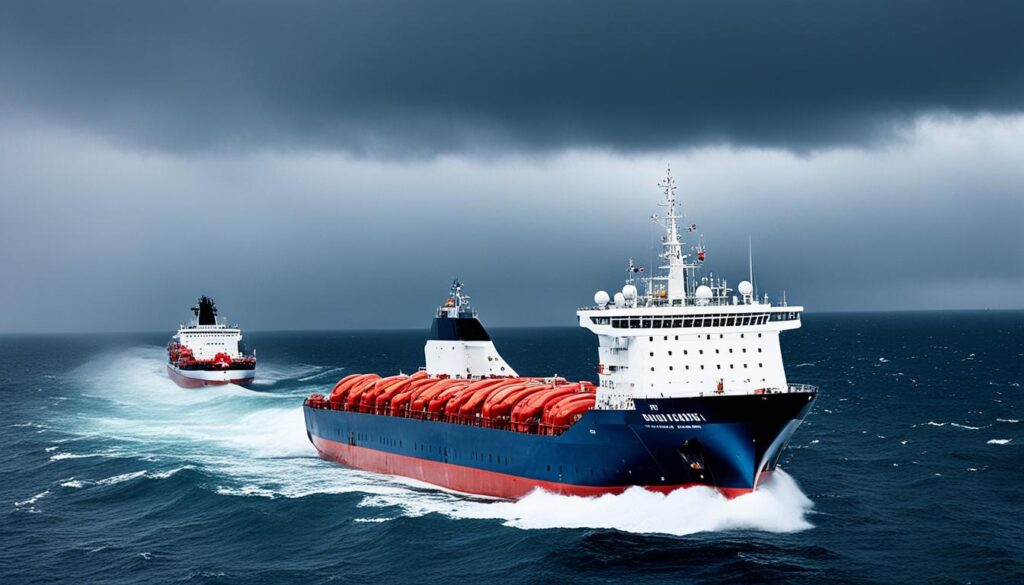
In addition to the vessel’s structural requirements, maritime regulations also focus on the availability and readiness of life-saving appliances and the overall emergency preparedness of the ship and its crew. This includes the provision of liferafts, lifejackets, fire-fighting equipment, and emergency communication systems, as well as the implementation of comprehensive emergency response plans and regular crew drills.
Environmental Regulations for Shipping
The shipping industry has a significant impact on the marine environment, and as a result, maritime regulations have placed a strong emphasis on environmental protection measures. These regulations aim to mitigate the industry’s environmental footprint and ensure the sustainability of maritime operations.
Controlling Emissions and Pollution from Vessels
One of the primary focuses of maritime environmental regulations is the control of emissions and pollution from vessels. This includes regulations governing the release of greenhouse gases, sulphur oxides, nitrogen oxides, and other harmful substances into the atmosphere. Shipping companies are required to implement advanced emissions control technologies and adhere to strict pollution control measures to minimise their environmental impact.
Ballast Water Management and Invasive Species Prevention
Another critical aspect of environmental regulations for shipping is the management of ballast water and the prevention of invasive species introduction. Ballast water, used by ships to maintain stability, can inadvertently transport non-native species to new environments, disrupting local ecosystems. Regulations mandate the implementation of ballast water treatment systems and the adoption of best practices to mitigate the risks of invasive species proliferation.
| Regulation | Focus | Key Requirements |
|---|---|---|
| MARPOL Annex VI | Emissions control shipping | Limits on sulphur and nitrogen oxide emissions, mandatory use of low-sulphur fuels |
| Ballast Water Management Convention | Ballast water management, invasive species prevention | Installation of ballast water treatment systems, procedures for ballast water exchange and management |
| EU Regulation on the Monitoring, Reporting and Verification of Carbon Dioxide Emissions | Environmental regulations shipping, emissions control shipping | Mandatory monitoring, reporting, and verification of CO2 emissions from ships |
By adhering to these environmental regulations for shipping, the industry can contribute to the preservation of marine ecosystems and the reduction of its overall environmental impact.
Cargo Handling and Stowage Regulations
Maritime regulations play a crucial role in ensuring the safe and efficient handling and stowage of cargo during shipping operations. These regulations address a range of requirements designed to minimise the risks of accidents, damage, and environmental impact associated with the transportation of goods.
Safe Loading and Unloading Practices
One of the key aspects of cargo handling regulations is the establishment of stringent standards for the safe loading and unloading of vessels. These regulations mandate specific procedures and protocols to be followed by port authorities, stevedores, and shipping companies, ensuring that cargo is moved in a controlled and organised manner. This includes requirements for the use of specialised equipment, the proper positioning and securing of cargo, and the implementation of safety measures to protect workers and the surrounding environment.
Securing Cargo for Safe Transportation
In addition to the loading and unloading processes, maritime regulations also address the stowage and securing of cargo during the voyage. Cargo stowage regulations dictate the proper methods for arranging and securing goods within the vessel’s hold, with the aim of preventing the shifting or movement of cargo that could lead to damage or instability. These regulations cover a range of factors, such as the use of lashing and securing devices, the distribution of weight, and the handling of dangerous or hazardous materials.
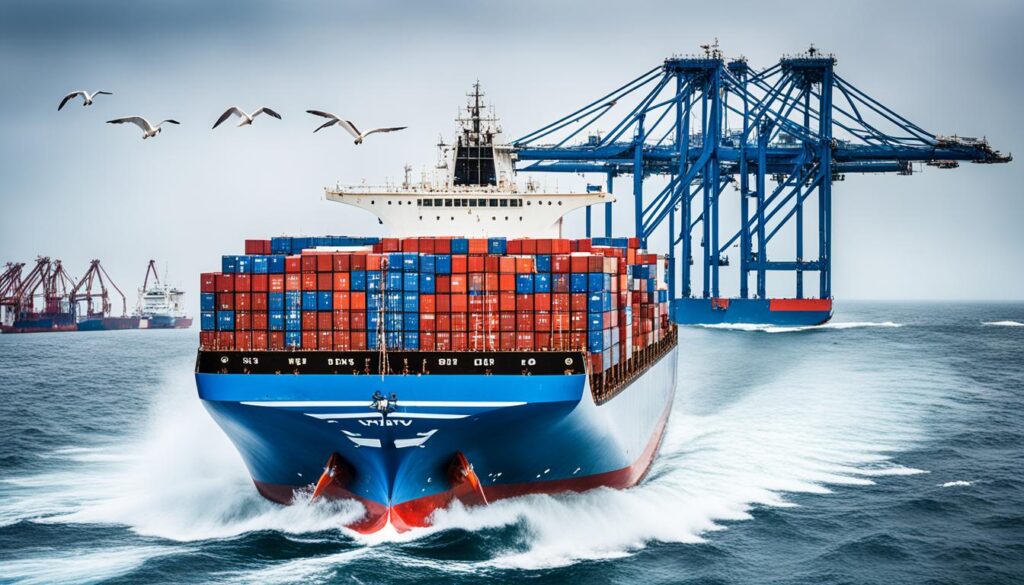
By adhering to these cargo handling regulations and cargo stowage regulations, shipping companies and port operators can ensure the safe loading unloading of cargo and its secure transportation, minimising the risks of accidents and environmental incidents throughout the supply chain.
Crew Training and Certification
The safety and efficiency of maritime operations are heavily dependent on the skills and competence of the crew. Accordingly, maritime regulations place a strong emphasis on crew training regulations and seafarers certification requirements. These measures aim to ensure that seafarers possess the necessary qualifications, knowledge, and professionalism to perform their duties effectively and safely.
Minimum Standards for Seafarers’ Qualifications
The International Convention on Standards of Training, Certification and Watchkeeping for Seafarers (STCW) is a pivotal international agreement that establishes the minimum standards for the training and certification of seafarers. This convention, developed and maintained by the International Maritime Organization (IMO), sets out the competency-based requirements for various ranks and roles within the maritime industry, including deck officers, engine room personnel, and ratings.
Ensuring Competency and Professionalism on Board
In addition to the STCW standards, maritime regulations also emphasise the importance of crew competency standards and professionalism on board. Shipping companies are required to provide ongoing training and development opportunities for their crews, ensuring that seafarers maintain and enhance their skills throughout their careers. This commitment to professional development helps to foster a culture of safety, efficiency, and excellence within the industry.
Port State Control and Inspections
To ensure the effective enforcement of maritime regulations, the shipping industry is subject to a robust system of port state control and inspections. These processes play a crucial role in verifying a vessel’s compliance with international standards and identifying any non-compliance issues.
Verifying Compliance with International Standards
During port state control inspections, authorities thoroughly examine a vessel’s documentation, crew qualifications, and physical condition to ensure compliance with international standards set by the International Maritime Organization (IMO) and other regulatory bodies. This comprehensive assessment covers various aspects, including the vessel’s structural integrity, safety equipment, environmental protection measures, and cargo handling procedures.
By conducting these inspections, port states can identify any deficiencies or violations and take appropriate actions to address them, ensuring the safety of the vessel, its crew, and the surrounding environment.
Consequences of Non-Compliance and Penalties
Failure to comply with the maritime regulations can result in severe consequences for shipping companies and vessel operators. Non-compliance can lead to the detention of the vessel, the imposition of fines, or even the prohibition of the vessel from entering the port or continuing its voyage.
In some cases, persistent non-compliance or the discovery of serious safety or environmental breaches may result in the detention of the vessel until the necessary corrective actions are taken. Shipping companies that repeatedly fail to address regulatory issues may face escalating penalties, including the potential revocation of their operating licenses.
Liability and Insurance in Shipping
The shipping industry is subject to a complex legal framework that governs liability and insurance, which is an essential component of the “Regs 4 Ships” regulatory landscape. Understanding the intricacies of this framework is crucial for shipping companies and maritime professionals to navigate the potential risks and liabilities associated with their operations.
Legal Frameworks for Maritime Claims and Compensation
A range of international conventions and national laws regulate the liability and compensation mechanisms in the shipping industry. These include the Hague-Visby Rules, the Athens Convention, and the International Convention on Civil Liability for Oil Pollution Damage, among others. These frameworks establish the parameters for determining liability, the types of claims that can be made, and the processes for seeking compensation in the event of incidents such as cargo damage, personal injury, or environmental pollution.
The Role of Protection and Indemnity Clubs
Protection and Indemnity (P&I) Clubs play a crucial role in the shipping industry’s liability and insurance landscape. These mutual insurance associations provide coverage for a wide range of risks, including third-party liabilities, pollution, and crew-related claims. P&I Clubs operate on a non-profit basis, pooling the resources of their members to ensure that claims can be effectively managed and compensated. They also work closely with regulators and industry stakeholders to advocate for policies and practices that promote maritime safety and protect the interests of their members.
| Key Aspects of Liability and Insurance in Shipping | Importance |
|---|---|
| Legal Frameworks for Maritime Claims and Compensation | Establishes the parameters for determining liability and the processes for seeking compensation in the event of incidents. |
| Protection and Indemnity (P&I) Clubs | Provide coverage for a wide range of risks, including third-party liabilities, pollution, and crew-related claims, operating on a non-profit basis to pool resources and manage claims effectively. |
| Compliance with Regulatory Requirements | Ensures shipping companies and maritime professionals adhere to the liability and insurance standards set by international conventions and national laws, mitigating the risk of penalties and legal consequences. |
By understanding the complex legal frameworks and the role of P&I Clubs, shipping companies and maritime professionals can better navigate the liability and insurance landscape, ensuring they are prepared to manage risks, protect their assets, and provide appropriate compensation in the event of maritime claims and incidents.
Emerging Trends and Future Challenges
As the shipping industry continues to evolve, it faces a range of emerging trends and future challenges that will shape the development of maritime regulations. Two key areas of focus are the digitalisation and automation of maritime operations and the urgent need to address climate change and sustainability concerns.
Digitalisation and Automation in the Maritime Industry
The maritime industry is undergoing a transformative shift towards greater digitalisation and automation. Innovative technologies, such as autonomous ships, predictive analytics, and Internet of Things (IoT) applications, are revolutionising the way vessels are operated and managed. These advancements promise to improve efficiency, reduce operating costs, and enhance safety across the shipping ecosystem.
However, the rapid pace of technological change also presents new regulatory challenges. Policymakers and industry stakeholders must work together to develop robust frameworks that ensure the safe and ethical implementation of these emerging technologies, while also addressing concerns around data privacy, cybersecurity, and the potential impact on maritime employment.
Addressing Climate Change and Sustainability Concerns
The shipping industry is under increasing pressure to reduce its environmental footprint and contribute to global efforts to combat climate change. Stricter emissions regulations, the adoption of alternative fuels, and the implementation of sustainable practices throughout the supply chain are just a few of the challenges the industry faces.
Regulatory bodies, such as the International Maritime Organization (IMO), are spearheading initiatives to drive sustainability in the shipping sector. This includes the development of frameworks to measure and report on greenhouse gas emissions, as well as the introduction of incentives and penalties to encourage the adoption of environmentally-friendly technologies and operational practices.
As the industry navigates these emerging trends and future challenges, the evolution of maritime regulations will be crucial in ensuring the shipping sector remains competitive, efficient, and aligned with global sustainability goals.
Conclusion
As we have explored, the “Regs 4 Ships” framework is a critical component of the shipping industry, governing a wide range of requirements and standards that vessels and shipping companies must adhere to. From ensuring vessel safety and environmental protection to promoting fair practices and crew competency, these regulations play a pivotal role in maintaining the integrity and sustainability of maritime operations.
Throughout this comprehensive guide, we have delved into the importance of maritime regulations, the role of the International Maritime Organization (IMO), and the key areas that these regulations encompass, such as vessel safety, environmental protection, cargo handling, crew training, and port state control. By understanding the complexities of the “Regs 4 Ships” framework, shipping industry stakeholders can ensure their operations align with the latest regulatory requirements and contribute to the overall safety and sustainability of the maritime sector.
As the shipping industry continues to evolve, adapting to emerging trends and future challenges, the role of maritime regulations will only become more crucial. Addressing issues such as digitalisation, automation, climate change, and sustainability will require a collaborative effort between industry players, policymakers, and regulatory bodies. By embracing the “Regs 4 Ships” framework and staying committed to compliance, the shipping industry can navigate the shifting landscape and maintain its position as a vital component of the global supply chain.
FAQ
What are the key maritime regulations known as “Regs 4 Ships”?
The “Regs 4 Ships” refer to the comprehensive set of maritime regulations that govern the shipping industry. These regulations cover a wide range of requirements and standards, including vessel safety, environmental protection, cargo handling, crew training, and compliance with international standards.
What is the role of the International Maritime Organization (IMO) in developing maritime regulations?
The International Maritime Organization (IMO) is a specialized agency of the United Nations responsible for regulating the shipping industry. The IMO plays a crucial role in developing and promoting the adoption of international conventions, codes, and standards that govern various aspects of maritime operations.
What are the key vessel safety requirements under maritime regulations?
Maritime regulations establish stringent standards for vessel construction, maintenance, and emergency preparedness. This includes requirements for structural integrity, seaworthiness, life-saving appliances, and emergency response capabilities to protect the lives of crew members, passengers, and the marine environment.
How do maritime regulations address environmental protection concerns?
The shipping industry’s environmental impact has led to the implementation of various regulations aimed at mitigating emissions, controlling pollution, and managing ballast water to prevent the spread of invasive species. These environmental regulations are continuously evolving to ensure the sustainability of maritime operations.
What are the key requirements for cargo handling and stowage under maritime regulations?
Maritime regulations establish guidelines for the safe loading, unloading, and stowage of cargo. This includes requirements for secure cargo transportation, load distribution, and procedures to minimise the risks of accidents, damage, and environmental impact.
What are the crew training and certification requirements in the shipping industry?
Maritime regulations place a strong emphasis on crew competency, requiring seafarers to meet minimum standards for qualifications, training, and professionalism. These regulations ensure that crews are equipped with the necessary skills and knowledge to operate vessels safely and efficiently.
What is the role of port state control and inspections in enforcing maritime regulations?
Port state control and vessel inspections are essential mechanisms for verifying compliance with international maritime standards. Non-compliance can result in penalties, detention, or the imposition of corrective measures to address any deficiencies.
How do maritime regulations address liability and insurance in the shipping industry?
The shipping industry is subject to a complex legal framework governing liability and insurance, which is a crucial component of the “Regs 4 Ships” regulatory landscape. This includes provisions for maritime claims, compensation, and the role of protection and indemnity clubs in managing risks.
What are some emerging trends and future challenges in the shipping industry that may impact maritime regulations?
The shipping industry is facing a range of emerging trends and challenges, such as the increasing digitalisation and automation of maritime operations, as well as the need to address climate change and sustainability concerns. These developments will likely shape the evolution of maritime regulations in the years to come.
Comments are closed