
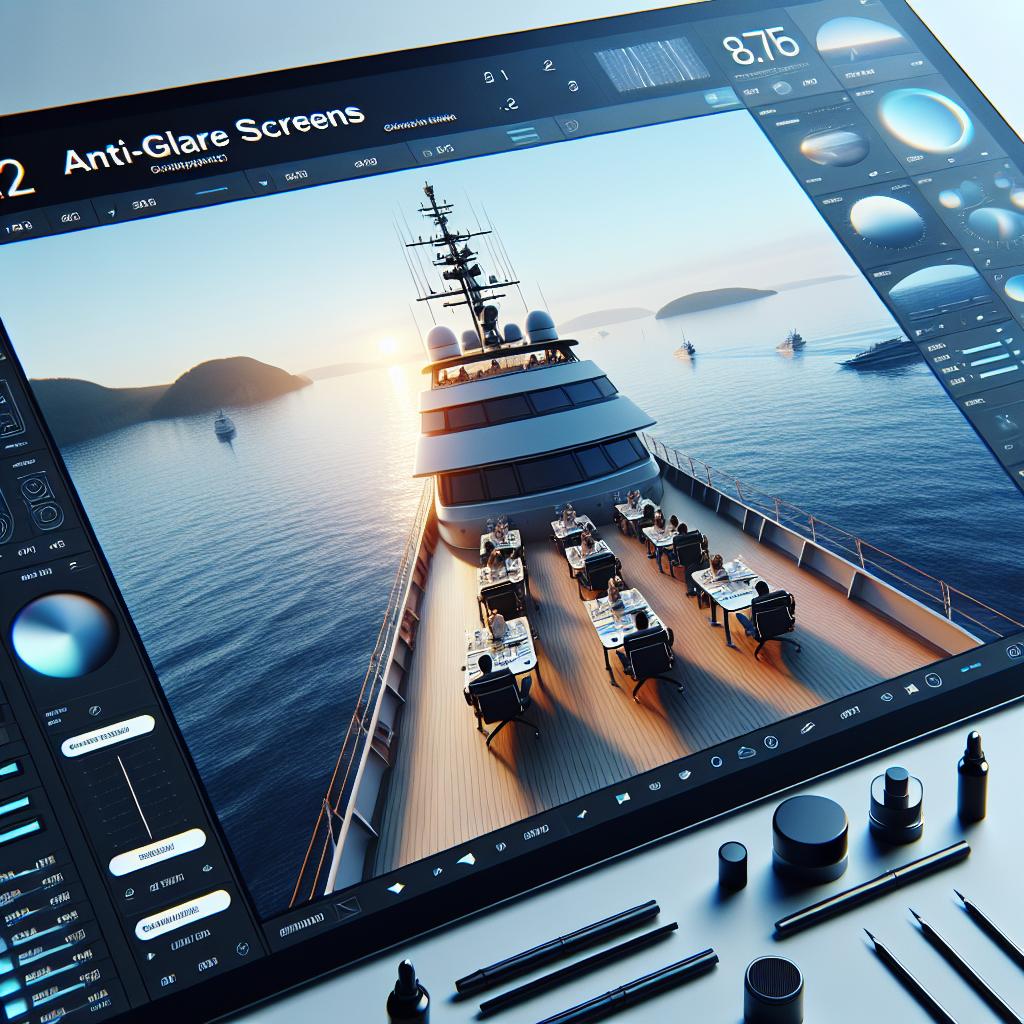
Introduction to Anti Glare Screens for Ships
The Importance of Anti Glare Technology on Watercraft
Navigating the vast and often unpredictable waters requires not only skill but also the right technology to ensure safety. Anti glare screens play a crucial role in enhancing visibility for ship operators, reducing the glare from the sun and other light sources that can be a significant hazard. These screens are essential for preventing eye strain and improving the visual display of navigation systems, making them an indispensable tool in maritime operations.
Understanding How Anti Glare Screens Enhance Navigational Safety
Anti glare screens work by minimizing the light reflections on display surfaces within the ship’s cockpit or bridge. This technology allows captains and crew members to view critical navigational data without interference from reflective light, which is particularly prevalent during sunrise, sunset, and in bright daylight conditions. By enhancing readability, these screens significantly contribute to safer maritime navigation, enabling quicker decision-making and more accurate responses to potential hazards.
Types of Anti Glare Screens Available for Ships
Permanent vs. Temporary Anti Glare Solutions
When selecting anti glare screens, ship operators can choose between permanent installations or temporary solutions. Permanent anti glare screens are typically integrated into the navigation system’s display during manufacturing or as part of a custom upgrade. In contrast, temporary solutions, such as anti glare films, can be applied directly onto existing screens as needed and removed when not required.
Comparative Analysis of Materials Used in Anti Glare Screens
The effectiveness of an anti glare screen largely depends on the materials used in its construction. Common materials include glass with anti reflective coatings and plastic films with matte finishes. Glass tends to offer superior clarity and durability but can be more expensive. Plastic films are cost-effective and easy to replace but may degrade over time due to exposure to sunlight and saltwater environments.
Installation and Maintenance of Anti Glare Screens
Step-by-Step Guide to Installing Anti Glare Screens on Ships
- Determine the Placement: Identify which displays will benefit most from anti glare technology.
- Clean the Screen: Thoroughly clean the display surface to remove any dirt or smudges before installation.
- Measure and Cut: If using a film, measure and cut it according to the size of your screen.
- Apply the Film: Carefully align the film with your display and smooth out any bubbles as you apply it.
- Test Visibility: Check that visibility has improved under different lighting conditions after installation.
Best Practices for Maintaining Optimal Visibility with Anti Glare Screens
Maintaining your anti glare screens is key to ensuring they continue to provide optimal visibility. Regularly clean the screen surfaces using a soft cloth and avoid abrasive materials that could scratch the coating. It’s also advisable to inspect the screens periodically for signs of wear or damage, especially if they are exposed to harsh environmental conditions commonly found at sea.
Case Studies: The Impact of Anti Glare Screens on Marine Operations
Real-World Examples of Enhanced Safety and Performance
Numerous maritime companies have reported significant improvements in navigational safety after installing anti glare screens. For instance, a shipping company operating in the North Sea noted a 30% decrease in navigational errors following an upgrade to their fleet’s navigation systems with anti glare technology. Such examples underscore the importance of these systems in modern maritime operations.
Choosing the Right Anti Glare Screen for Your Vessel
Factors to Consider When Selecting Anti Glare Technology for Maritime Use
Selecting the right anti glare screen involves considering various factors including display type, vessel type, environmental exposure, and budget constraints. It’s important to assess whether a permanent or temporary solution better suits your operational needs and whether the material used in the screen offers adequate durability and clarity for your specific maritime conditions.
Conclusion: The Future of Anti Glare Technology in Marine Navigation
The ongoing advancements in anti glare technology promise even greater enhancements in maritime safety and performance. With innovations such as adaptive tinting technologies and improved materials, future anti glare solutions will continue to evolve, offering even better protection against glare and contributing significantly to safer marine navigation.
Comments are closed